
Verkada Transportation: Cloud-Managed Video and Telematics for Buses and Fleets
Explore Verkada Transportation’s vehicle cameras and gateway, and how school buses, transit agencies, and fleets can use video, GPS, and telematics.
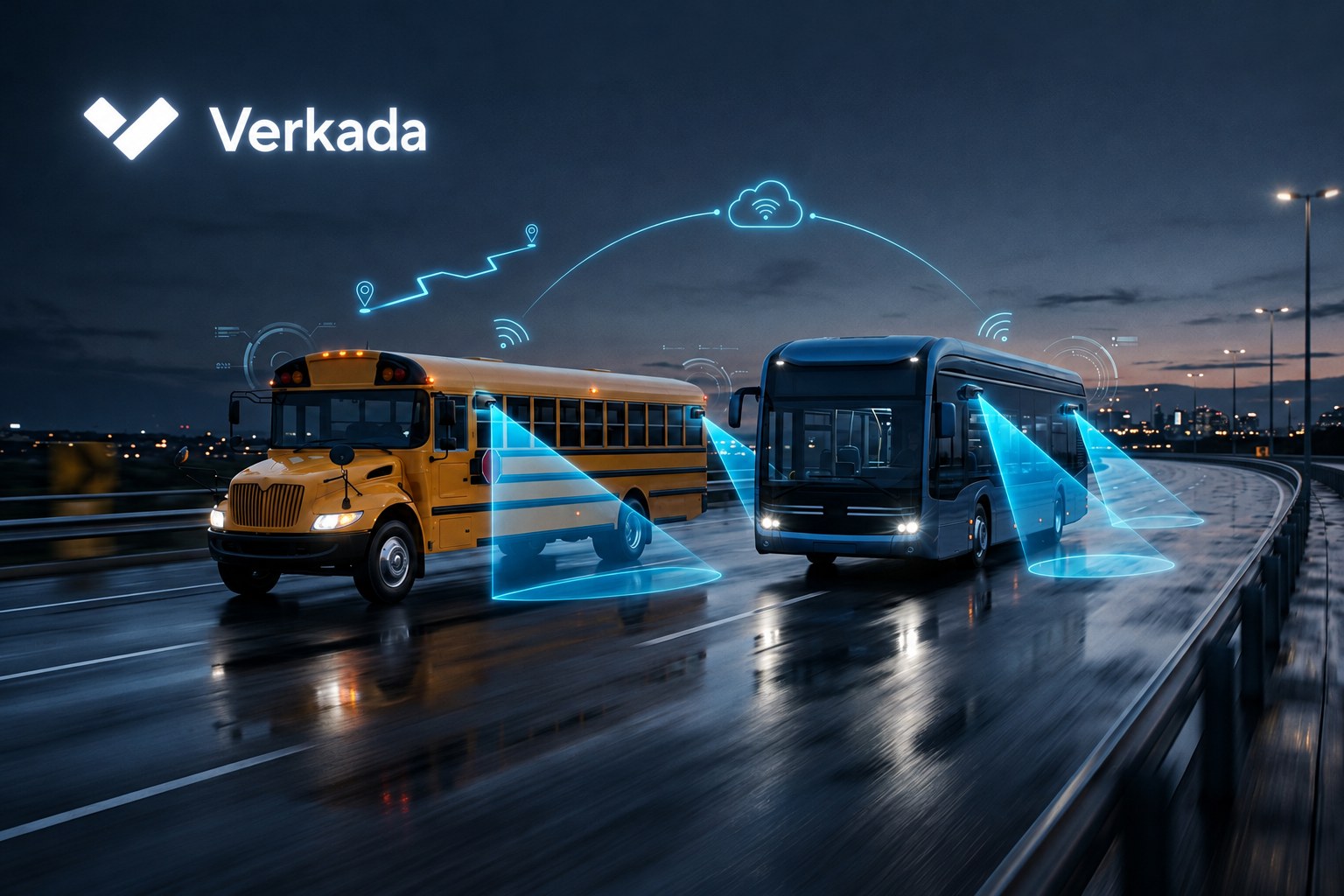
Verkada announced Verkada Transportation on September 16, 2026, with ordering scheduled to open November 30, 2026, in the U.S. and Canada. It brings vehicle cameras, GPS, and telematics into Verkada Command, the same platform used for building cameras and access control. Instead of relying on a separate vehicle DVR that must be pulled at the depot, authorized users can work with fleet video in Command.
What's included
Verkada lists three vehicle camera models and a ruggedized gateway. The camera styles provide different views inside and outside a vehicle; the gateway connects the cameras and supplies location and vehicle data.
| Model | Type | Key specs | Typical placement |
|---|---|---|---|
| KCD41-E | Low-profile dome camera | 5MP; IK10; IP6K9K | Interior cabin |
| KCF61-E | 180° panoramic fisheye camera | 12.5MP; IK10; IP66/67 | Wide cabin view |
| KCW41-E | Rugged wedge camera | 5MP; IK10; IP6K9K | Vehicle exterior |
| KGX61 | Ruggedized Transportation Gateway | Up to 10 PoE cameras; 5G/LTE and Wi-Fi; GPS and telemetry; OBD-II/J1939; 12–24V DC | Vehicle gateway |
According to Verkada, the cameras are rated for temperatures from -40°F to 122°F. Listed onboard storage options are 128–512GB for the dome and wedge cameras and 256GB–1TB for the fisheye. Verkada says the dome and wedge are designed for frequent pressure washing. These are the model and storage options listed at launch; confirm current specifications in Verkada's datasheets before choosing equipment.
How it stays connected
The cameras record locally. The gateway uses 5G/LTE and can switch to Wi-Fi when available, such as when a vehicle returns to the depot. A WAN port supports a third-party uplink, such as satellite. Verkada also describes remote waking of the gateway to retrieve footage while a vehicle is off. According to Verkada, footage is saved up to the moment of impact even if power is suddenly lost. Check the proposed configuration and connectivity along your actual routes.
Key features in Command
- View live and recorded video from vehicles on the road.
- See live vehicle locations and trip history on a fleet map, and search video by GPS location.
- Search footage using natural language, people or vehicle attributes, or an uploaded photo.
- Set alerts for events including fights, slip-and-falls, and persons of interest.
- Review flagged driving events: speeding, harsh braking, sharp turns, and incomplete stops.
- Review vehicle-health diagnostics through OBD-II/J1939.
- Bring footage, location, events, and telemetry together in trip histories and incident reports.
- Share footage using face blurring and timed, revocable links.
- Optionally show live camera feeds on an HDMI driver display.
Benefits
Remote access can help a team find footage without waiting for a bus or other vehicle to return. Pairing video with location, speed, and event information gives a reviewer more context when investigating a claim or complaint. Flagged driving events can also provide a starting point for driver coaching.
Vehicle-health diagnostics can help teams review fleet readiness. For organizations already using Verkada in buildings, Transportation places fleet and building cameras and access control in one Command platform, with the same login, users, and permissions. Face blurring and timed, revocable links offer controls to consider when sharing relevant footage with parents, insurers, or law enforcement, subject to the organization's policies.
Use cases
- School buses: review reported student behavior or bullying, exterior views around loading areas, parent complaints, and vehicle location during missing-student inquiries.
- Public transit buses: review passenger incidents and slip-and-fall claims, and support operator safety investigations.
- Trains and ferries: vehicle types Verkada lists for Transportation.
- Municipal and government fleets: bring vehicle video and trip context into fleet reviews.
- Other fleets that carry passengers, such as shuttles, paratransit vehicles, and campus or church buses, may also fit. Confirm vehicle and installation suitability with Goff Technologies.
Questions to ask before you buy
- What cellular data plan is needed, and what coverage is available along your routes?
- How many cameras does each vehicle need, and where should each view be placed?
- What footage retention period is required, and which onboard storage option supports it?
- How is licensing applied per camera and gateway? As a current Verkada partner, Goff Technologies can walk you through current licensing terms.
- What district or agency policies govern recording, audio, access, and footage sharing?
- How can installation be scheduled around active routes?
- Do NDAA or other procurement requirements apply to the proposed equipment?
Getting started
Goff Technologies is a current Verkada partner that designs, installs, and supports Verkada systems for organizations across Oklahoma. We can help evaluate whether Verkada Transportation fits a fleet and how it would work alongside existing Verkada building cameras and access control. We can quote Verkada Transportation hardware and licensing. Contact us to discuss your vehicles, routes, and recording requirements.
Explore further
Services in this article
Questions about this topic
Keep reading
More insights
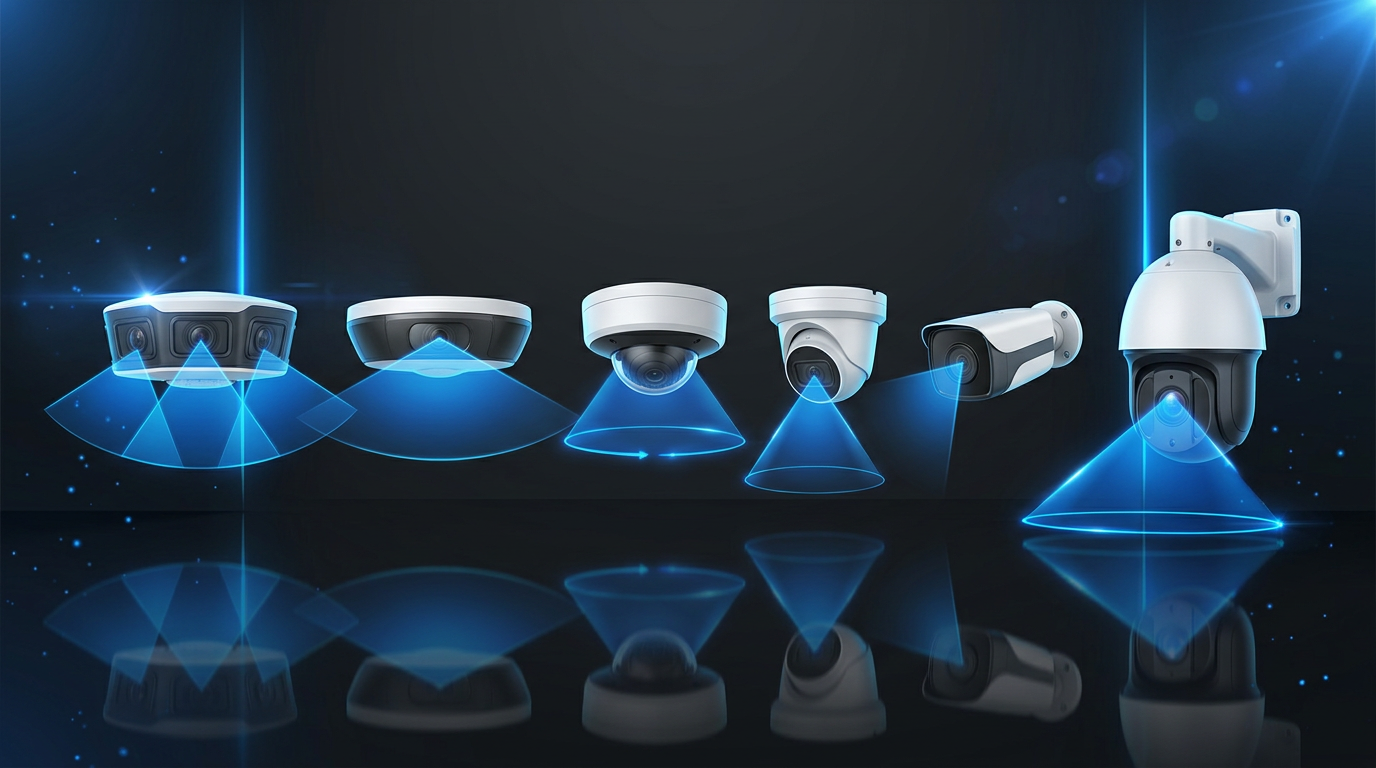
Security Camera Types Explained: Multi-Sensor, 180°, Fisheye, PTZ, and More
See how commercial camera styles cover different spaces, where each has limits, and how to choose the right mix of overview and identification views for your business.
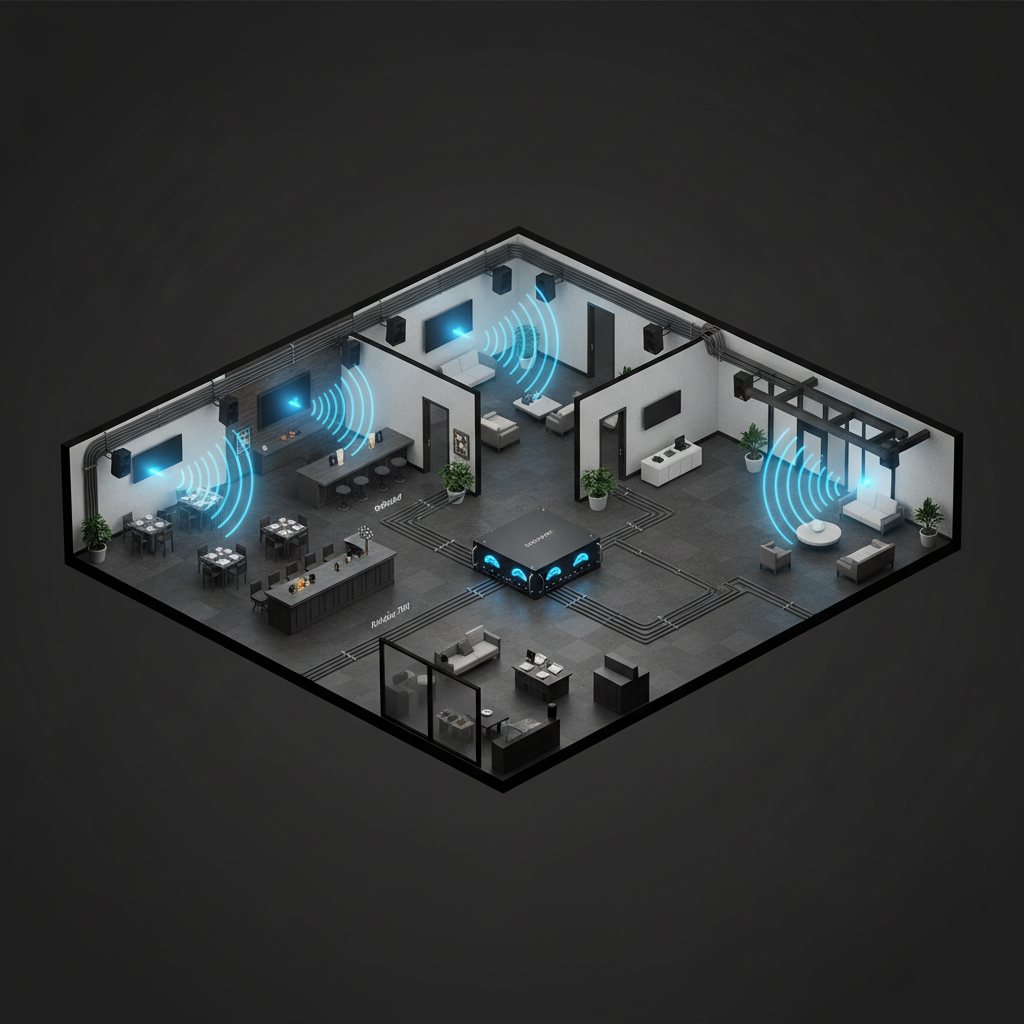
70V Speakers and Multi-Zone Amplifiers: Matching Music and Volume to Every Space
Learn how 70V distributed speakers and zone-capable amplifiers help each area of a business play the right music at the right level.
Commercial Audio Systems vs. a Bluetooth Speaker and a Personal Playlist
See why even coverage, reliable paging, simple controls, and properly licensed business music make a designed commercial sound system a better fit than a personal playlist.
Let's discuss your project.
Reach out today for a consultation and secure your business future.