
Commercial Audio Systems vs. a Bluetooth Speaker and a Personal Playlist
See why even coverage, reliable paging, simple controls, and properly licensed business music make a designed commercial sound system a better fit than a personal playlist.
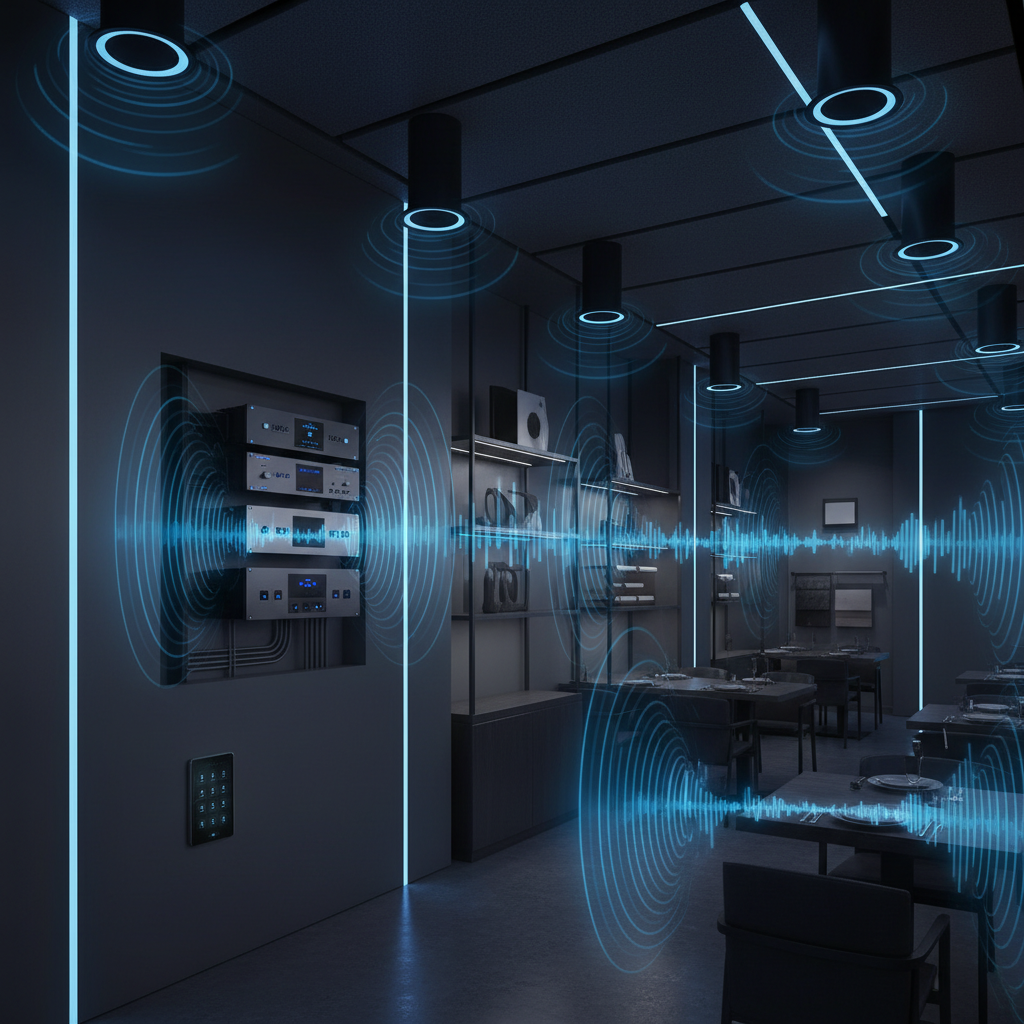
Many businesses start with a Bluetooth speaker, soundbar, or home stereo plugged into a phone running a personal Spotify, Apple Music, or Pandora account. It can seem adequate when the room is empty. Once customers and employees fill the space, uneven coverage, dropped connections, and questions about music licensing become harder to ignore. A commercial system addresses the room, the people using it, and the music source together.
First, make sure the music is licensed for business use
Playing copyrighted music for customers or employees in a business is generally a public performance under U.S. copyright law. Personal streaming subscriptions generally limit use to personal, non-commercial listening; paying for a personal account does not grant permission to play its catalog in a business. Public performance rights are typically licensed through performing rights organizations such as ASCAP, BMI, SESAC, and GMR, or through a commercial music service that includes the rights needed for its offering. Check exactly which uses, catalogs, and locations a particular service covers rather than assuming every business subscription grants the same rights.
The Fairness in Music Licensing Act provides an exemption for some smaller establishments playing qualifying radio or television broadcasts, subject to floor-area and speaker limits. It does not extend to personal streaming playlists or CDs. An establishment should confirm its eligibility before relying on the exemption. Copyright statutory damages can range from $750 to $30,000 per work infringed, or up to $150,000 for willful infringement; performing rights organizations do contact and sue businesses. This is general information, not legal advice. Confirm your obligations with a licensing provider or an attorney. Goff Technologies does not sell music licenses; we help integrate the business music source you choose.
Design coverage for the whole room
A single loud speaker in a corner creates a hot spot nearby and dead spots farther away. Staff turn up the volume to reach the back of the room, while customers near the speaker struggle to converse. Distributed ceiling or pendant speakers, placed with the room’s layout in mind, can deliver more even coverage at a lower, more comfortable level. In a 70V distributed system, many speakers can share an amplifier channel across long cable runs, making it practical to cover larger or irregular spaces without relying on one oversized speaker.
Give each space the control it needs
A dining room, bar, restrooms, patio, and offices may each need a different volume or even a different source. Separate zones let staff adjust one area without changing every other area. A clearly labeled wall control can provide the day-to-day adjustments people need, while volume limits prevent an accidental blast of sound. Scheduling can bring music on and off at the right times without leaving a personal phone in charge of the system.
Make announcements understandable
Background music should give way when someone needs to be heard. A commercial system can prioritize paging and automatically duck the music for an announcement. Depending on the equipment and the business’s needs, that page can come from an integrated VoIP phone system or a wireless microphone. A consumer speaker and a phone playlist do not provide that coordinated, zone-aware operation.
Install for reliable everyday use
Consumer playback often depends on one phone remaining charged and connected. Calls and notifications can interrupt playback, ads on free tiers can reach the room, Bluetooth can drop, and a personal device can leave with its owner. Commercial amplifiers can be rack-mounted with appropriate ventilation and connected to a dedicated business music source. A professional installation also considers the building: plenum- or riser-rated wire where required, tile-bridge back cans and safety wires for supported ceiling speakers, and grilles selected to blend into the space. Equipment still needs maintenance, but the system no longer depends on whoever brought the phone that day.
- Map where people sit, work, and move before deciding how many speakers are needed.
- Identify areas that need independent volume or source selection.
- Decide who can make announcements and which zones should hear them.
- Choose a business music source and verify its licensing coverage with its provider.
| Consideration | Consumer playback | Designed commercial audio system |
|---|---|---|
| Music licensing | A personal streaming account generally does not cover business playback | Can integrate a separately chosen, appropriately licensed business music source |
| Coverage | One speaker can create loud hot spots and quiet areas | Planned distributed speakers provide more even coverage |
| Volume/zone control | Limited control, often tied to one device | Independent zones, wall controls, and sensible volume limits |
| Paging | No coordinated priority paging | Can duck music for VoIP or microphone announcements |
| Reliability | Depends on a charged, connected personal device | Dedicated equipment and source can remain on site |
| Ads/notifications interruptions | Free-tier ads, calls, and phone alerts can interrupt | A suitable dedicated business source avoids personal-phone interruptions |
| Appearance | Visible speaker and loose device connections | Installed speakers and neatly housed equipment |
| Expandability | Adding rooms can mean more independent devices | Zones and distributed wiring can be planned for future spaces |
Getting started
List the spaces that need sound and which should be separate zones. Note how loud each should be, whether paging is needed, and what kind of ceiling or mounting surfaces the building has. Choose a licensed music source and confirm what its service covers. Goff Technologies can then design the speaker layout, install the system, connect the chosen source, and train staff to use the controls. We work with businesses across Oklahoma—contact us to discuss your space and how you want it to sound.
Explore further
Services in this article
Questions about this topic
Keep reading
More insights

Verkada Transportation: Cloud-Managed Video and Telematics for Buses and Fleets
Explore Verkada Transportation’s vehicle cameras and gateway, and how school buses, transit agencies, and fleets can use video, GPS, and telematics.
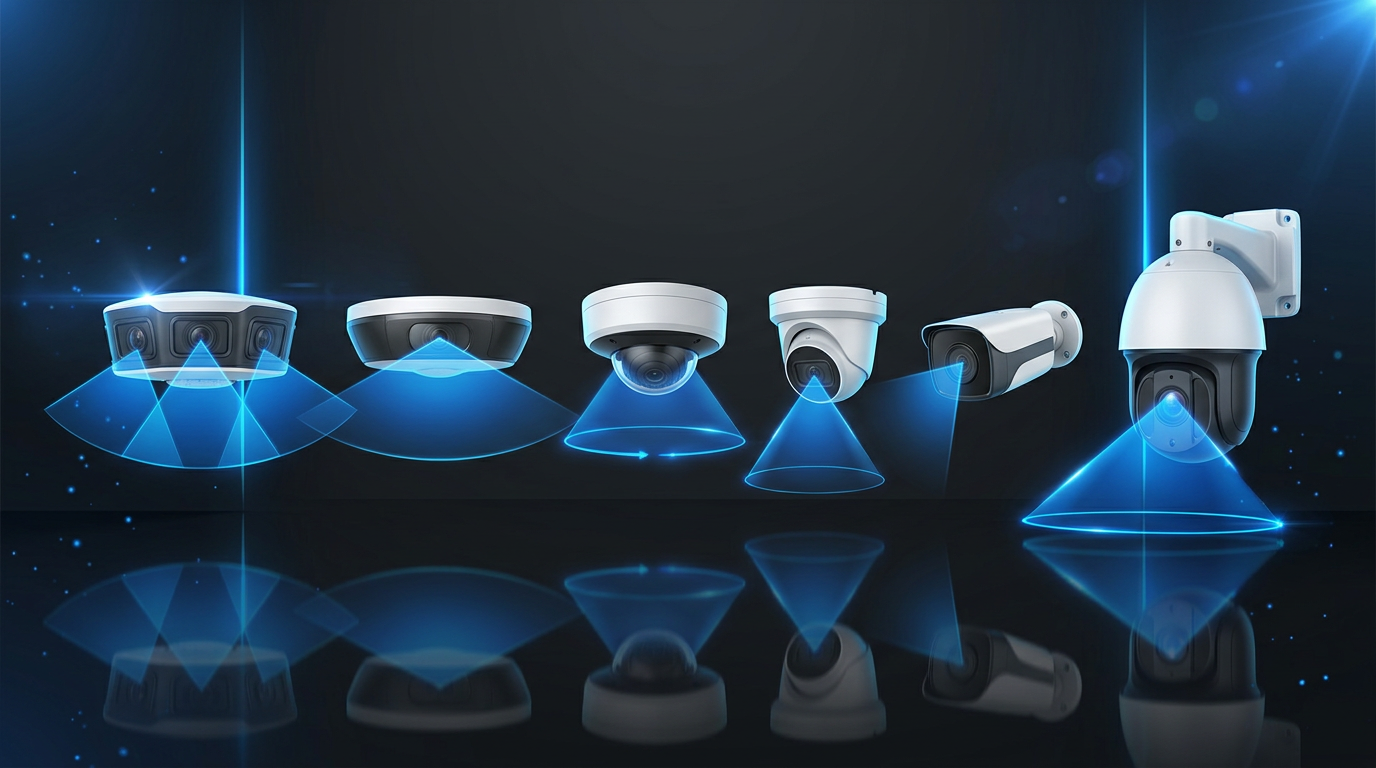
Security Camera Types Explained: Multi-Sensor, 180°, Fisheye, PTZ, and More
See how commercial camera styles cover different spaces, where each has limits, and how to choose the right mix of overview and identification views for your business.
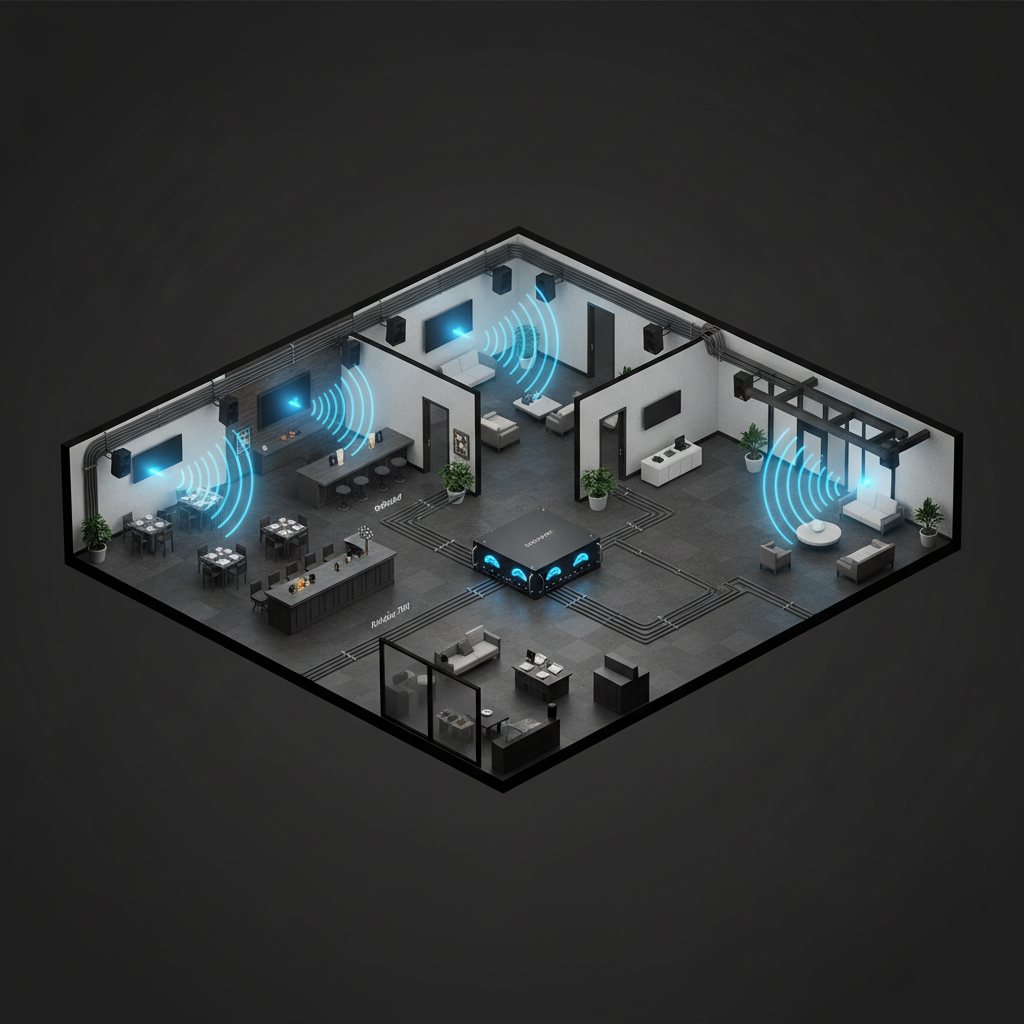
70V Speakers and Multi-Zone Amplifiers: Matching Music and Volume to Every Space
Learn how 70V distributed speakers and zone-capable amplifiers help each area of a business play the right music at the right level.
Let's discuss your project.
Reach out today for a consultation and secure your business future.